
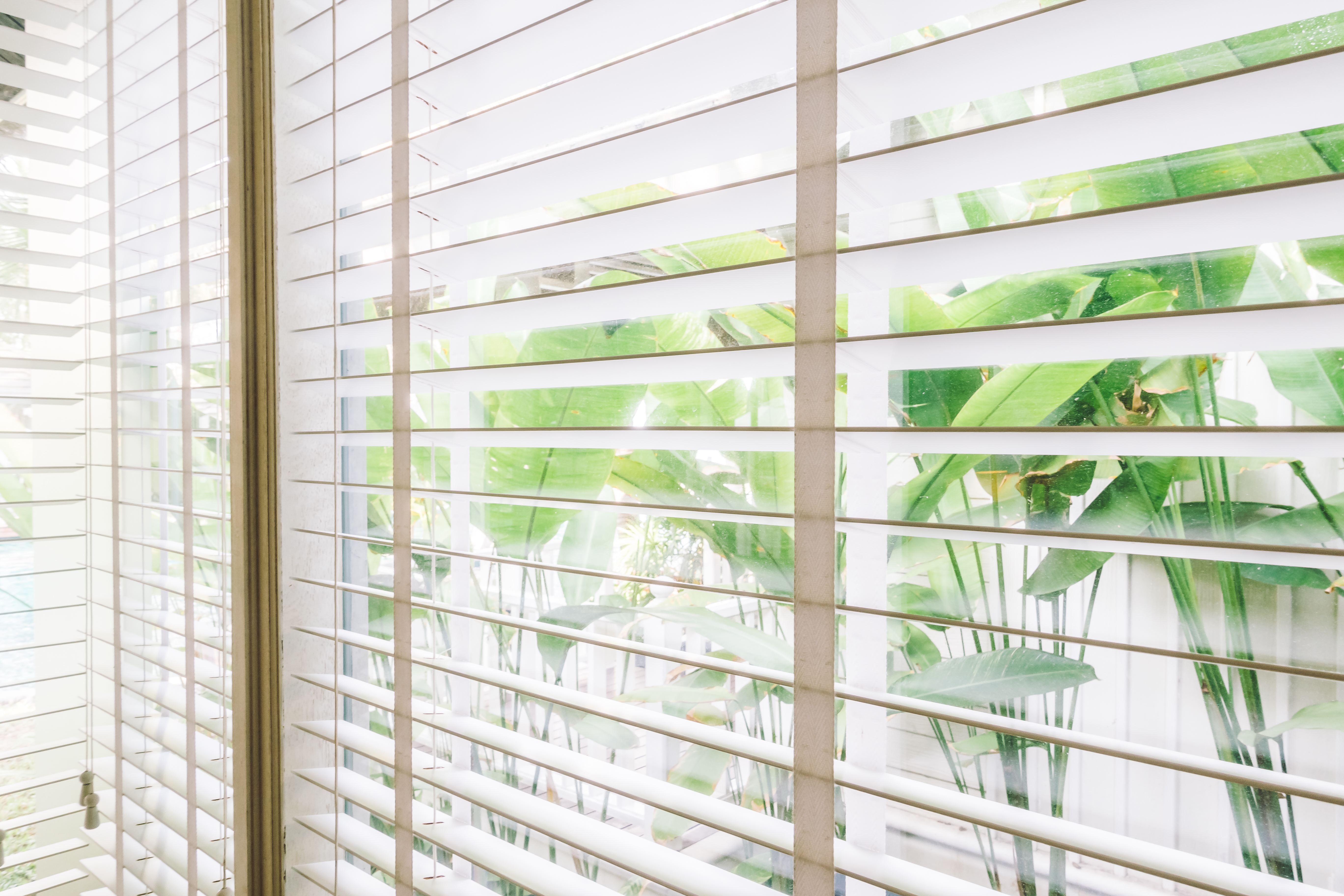
When a hurricane warning pops up in Southwest Florida, the real question isn’t “Do I need protection?” It’s “Will I actually put it up in time?” The best Hurricane Shutters are the ones you can close quickly, safely, and confidently, even when it’s hot, windy, and starting to rain.
This guide compares four common options in plain language: aluminum storm panels (removable panels you store), accordion shutters (permanent shutters that slide shut), Bahama shutters (top-hinged shade shutters that lock down for storms), and colonial shutters (side-hinged shutters that meet in the middle).
Costs and looks vary a lot. So does day-to-day convenience. Your best fit depends on how many openings you have (windows, sliders, lanais), how fast you need to secure them, and what your local building department requires for permits and approvals. By the end, you’ll have a simple decision guide and a clear next step.
Quick comparison: which shutter style wins for speed, strength, and everyday use?

If you want a fast, practical “shortlist,” think of each shutter type like a different kind of raincoat. Some pack small and cost less, but you have to pull them out and put them on. Others cost more, but they’re ready all year.
Here’s a simple way to frame it:
- Best on a tight budget: aluminum storm panels
- Best for big sliders and lanais: accordion shutters
- Best for daily shade and privacy: Bahama shutters
- Best for classic curb appeal: colonial shutters
One important reminder: shutter strength isn’t just about the style name. Real protection depends on the exact product approval, the fasteners, and the installation details. Still, most homeowners start with a comparison like this before they get into permits and wind-load specifics. For another plain-language overview of common styles, see this types of hurricane shutters explained.
To keep it easy to scan, here’s a side-by-side snapshot using common installed cost ranges you’ll see in national guides. (Your home’s layout, opening sizes, and permit needs will move the numbers.)
| Shutter type | Best for | What you’ll like | What you’ll notice | Typical installed cost range (often cited) |
|---|---|---|---|---|
| Aluminum storm panels | Lowest upfront price | Strong protection per dollar | Heavy, slower to install, needs storage | $10 to $20 per sq ft |
| Accordion shutters | Fast storm prep, large openings | Closes in minutes, no storage | Visible tracks, blocks light when closed | $15 to $25 per sq ft |
| Bahama shutters | Shade, privacy, coastal look | Daily comfort, quick lock-down | Must be impact-rated, more hardware outside | $20 to $35 per sq ft |
| Colonial shutters | Traditional design | Permanent, “finished” look | Outside access needed, can take longer | $30 to $45 per sq ft |
Takeaway: panels usually win on price, accordion wins on speed, and Bahama or colonial win when you care about the home’s look every day.
At-a-glance pros and cons for aluminum panels, accordion, Bahama, and colonial
- Aluminum storm panels: Strong and budget-friendly, but you do the work before each storm. Best for budget-focused homeowners, smaller homes, and people comfortable with hands-on prep.
- Accordion shutters: Permanent and quick to close, especially on sliders and lanais. Best for year-round residents, rentals, and second homes where you want fast protection.
- Bahama shutters: Provide shade and privacy daily, and can protect during storms when properly rated. Best for sunny exposures and homeowners who want a tropical style.
- Colonial shutters: Timeless curb appeal with storm protection when engineered correctly. Best for windows you can reach safely and homes where aesthetics matter most.
How to think about protection levels in Florida (wind, debris, and approvals)
In Florida, the big risks are wind pressure and wind-borne debris. Shutters aren’t just “strong” in a general way. They’re tested as a system: shutter, fasteners, spacing, and what they mount into.
Most buyers don’t need a technical deep dive, but you do need a simple checklist:
Choose a shutter that’s approved for your region, then make sure the installer follows the approved mounting method. That’s what permits and inspections are really checking.
Here’s what that means in everyday terms:
- Impact testing: Many shutter approvals require resisting a large-missile hit (often described as a 9-pound 2×4 fired at high speed), then surviving pressure cycling afterward.
- Wind pressure rating: Your home’s location and opening size affect the design pressure requirement.
- Recognized approvals: You’ll hear about Florida Product Approval and Miami-Dade NOA (Notice of Acceptance). Miami-Dade is widely recognized, and it matters most in stricter zones like the High-Velocity Hurricane Zone.
- Permit paperwork: Many jobs require permit drawings or documentation showing the exact model and attachment plan.
If a contractor can’t clearly explain what approval applies to your exact openings, pause and ask more questions.
Aluminum storm panels vs accordion shutters: the practical choice for most storm prep
For many Southwest Florida homes, this is the real decision. Panels and accordions focus on function first. They’re not primarily decorative, and they usually give you the most protection per dollar when installed correctly.
The main difference is what happens when the forecast turns. Aluminum panels sit in storage until you install them. Accordion shutters stay on the home and close quickly. That convenience changes behavior. People are more likely to secure the whole house when it’s fast.
Cost still matters, of course. Many national cost roundups place panels on the low end and accordions in the middle. One recent summary with ranges is this national cost ranges for shutters. Treat those numbers as ballpark figures, not a quote.
The other big factor is safety. Storm prep is usually rushed. Lifting large panels, climbing ladders, and searching for missing hardware is how people get hurt. For some homes, paying more upfront for a shutter you can close in minutes is money well spent.
Aluminum storm panels: lowest cost, but the most work before each storm

Aluminum storm panels work like a removable shield. Before storm season, an installer typically sets up the mounting hardware (tracks or bolts) around each opening. When a storm approaches, you carry panels out, match them to each window or door, and fasten them into place.
They’re popular for one clear reason: price. Panels can protect a lot of openings without the higher cost of permanent systems. If you’re protecting a smaller home, or you’re prioritizing upfront budget, panels can make sense.
Still, the tradeoffs are real:
Panels are heavy and awkward, especially on larger openings. You also need a plan for storage. Garages get crowded fast, and panels get mixed up if they’re not labeled. Hardware can go missing, too. Then there’s the timing. Installing panels in August heat, or in early rain bands, is not fun.
A simple rule helps: if you’re not confident you can install every panel quickly, panels may end up covering only the “most important” windows. That’s where homeowners get surprised after a storm.
Panels are a smart choice when you have help, you’re hands-on, and you want strong protection at the lowest cost.
Accordion shutters: faster to close, strong on big openings like sliders and lanais
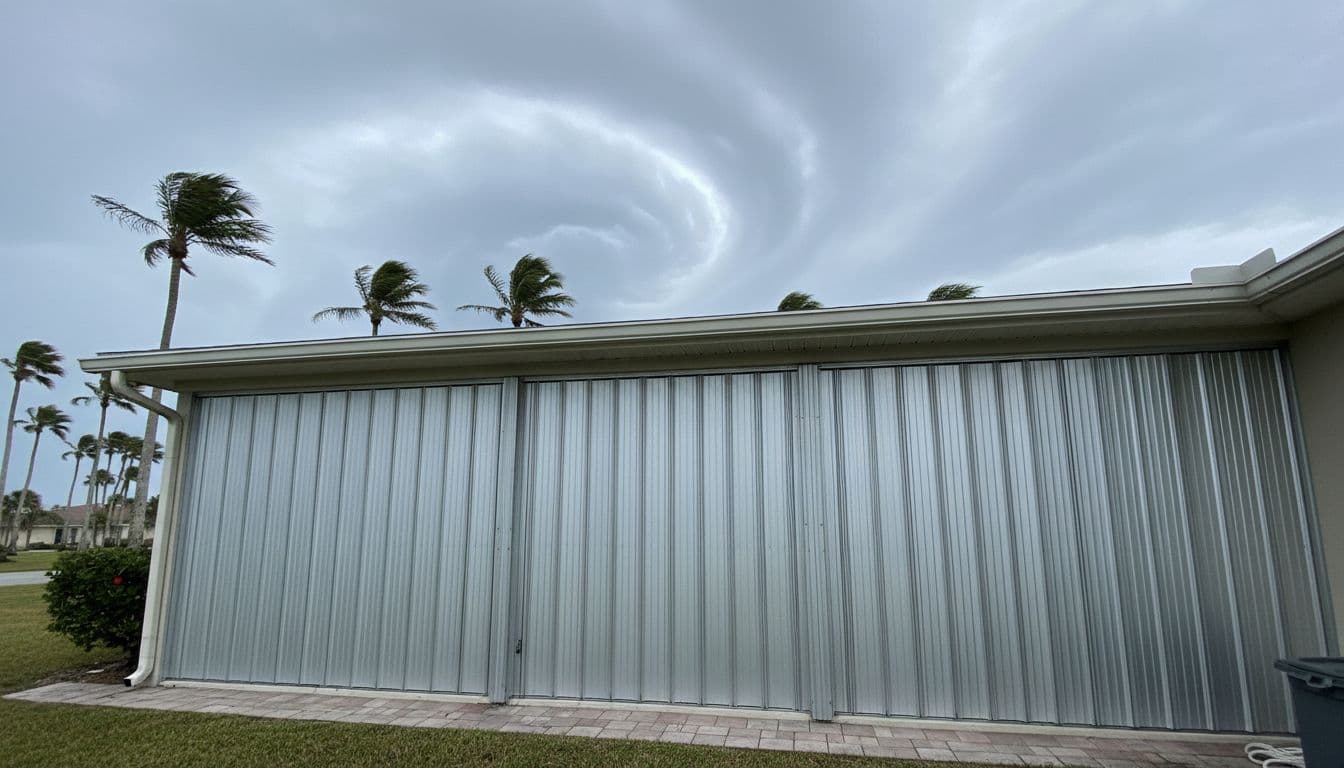
Accordion shutters stay mounted beside the opening. When it’s time to close up, you pull the shutter across its track and lock it. That’s it. No storage. No matching panels to windows. No hunting for wing nuts.
That speed is why accordions are so common in Southwest Florida, especially on:
- Large sliding glass doors
- Lanais and wide patios
- Homes with many openings
- Second-story windows (many designs can be closed from inside)
They cost more upfront than panels, but they often save hours of storm prep. They also reduce the “I’ll do it later” problem that hits when watches turn into warnings.
There are tradeoffs. Accordion shutters are visible when open. Tracks can collect sand and salt. When closed, they block light, so the house feels darker during a storm.
Maintenance is simple, though. Keep tracks clear, rinse off salt, and do a quick operational check before hurricane season. If you want a deeper look at how accordions compare to a style-forward option, this accordion vs Bahama comparison is a helpful read.
Bahama shutters vs colonial shutters: protection plus curb appeal year-round

If aluminum panels and accordions are about storm-day function, Bahama and colonial shutters are about living with your choice all year. They can absolutely be serious Hurricane Shutters, but only when they’re engineered, approved, and installed for impact and pressure ratings. Decorative shutters don’t count.
The daily benefits are real. Bahama shutters can reduce glare and add privacy. Colonial shutters can give a home a classic, finished look. Both are permanent, which many homeowners prefer.
However, there’s a practical detail that gets missed: outside access. Many Bahama and colonial designs require you to secure them from the exterior. That’s fine for first-floor windows. It’s harder on a second story when conditions get ugly.
That’s why many homeowners mix styles. For example, accordion on the lanai, then Bahama on the sunny front windows. You get the best of both without forcing one product to do everything.
Bahama shutters: built-in shade and a coastal look, with storm readiness when rated correctly
Bahama shutters hinge at the top and prop open like an awning on normal days. That angle blocks harsh sun while still letting in light. It’s a simple comfort upgrade that you notice right away, especially on west-facing windows.
When a storm approaches, you lower the shutter and secure it with the approved locking hardware. Done right, it’s quick.
The biggest pitfall is buying based on looks alone.
If a Bahama shutter is sold as “decorative,” assume it’s not storm protection until you see the product approval and installation method.
Look for impact-rated models, proper arms, and the correct fastener pattern. In coastal areas, hardware and coatings matter, too, because salt air finds weaknesses fast.
Bahamas are a great fit when you want daily shade, privacy, and a coastal style, and you still want real storm protection.
Colonial shutters: classic design that can protect, but only if you can close them in time
Colonial shutters mount on the sides of a window. They swing shut and latch in the center. Many homeowners love them because they match traditional Florida and coastal architecture, and they look intentional year-round.
Storm prep is straightforward, but it can take longer than an accordion system. You also need to reach the window safely to latch it. That’s simple at ground level. It’s harder upstairs, especially if wind picks up early.
Colonials work best on windows that are easy to access. They’re also a good choice when you care about curb appeal as much as storm readiness.
For a quick perspective on style-first shutters, this aesthetics and protection FAQ highlights why many homeowners see Bahamas as a middle ground.
Choosing the right hurricane shutters for your home, then picking the right installer
Comparisons help, but your home isn’t a chart. The best plan considers your opening count, your daily routine, and how fast you need to close up.
This is also where the installer matters as much as the shutter. Florida permits and approvals are detail-heavy. If the fastener schedule is wrong, or the substrate isn’t what the approval assumes, you can end up with a system that looks right but performs wrong.
Alufab USA stands out in Southwest Florida because they’re built around those practical realities. They’ve served the region since 2009, manufacture many shutter systems locally for tighter quality control, and install as a licensed Florida Certified General Contractor. They also focus on code-compliant systems (including Miami-Dade approved options), durable powder coating for corrosion resistance, and a 5-year parts and labor warranty on shutter systems. When hurricane season crowds the calendar, local manufacturing and local service can mean fewer delays and quicker adjustments.
A simple decision guide (pick your top priority, then match the shutter type)
Use these prompts like a quick filter:
- If you want the fastest storm prep, choose accordion shutters.
- If you want the lowest upfront price and don’t mind hands-on work, choose aluminum storm panels.
- If you want shade every day, choose Bahama shutters (but confirm they’re impact-rated).
- If you want classic looks, choose colonial shutters, especially on easy-to-reach windows.
- If you have big sliders or a lanai, prioritize accordions (roll-down can also work, depending on layout).
- If you travel often, prioritize systems you can close quickly, or ask about motorized options where they fit.
- If your home has mixed needs, mix shutter types by opening to balance cost, comfort, and speed.
Why many Southwest Florida homeowners prefer a local manufacturer and installer
Big brands can offer broad product lines and strong marketing. Still, storm protection isn’t a shelf item. It’s measured, engineered, permitted, and installed on your exact openings.
A local manufacturer-installer can be a better fit because:
- Measurements and fit stay consistent from start to finish.
- Coatings and hardware can be chosen for salt-air wear.
- Service and adjustments are simpler when your installer is nearby.
- Permits and inspections go smoother when the team knows local requirements.
Most importantly, you get a clear answer on approvals, attachment details, and warranty coverage for your home, not a generic brochure.
Conclusion
Aluminum panels usually win on budget, but they demand time, storage, and elbow grease. Accordion shutters cost more upfront, yet they’re hard to beat for speed and large openings. Bahama shutters add daily shade and privacy, and they protect well when they’re impact-rated and installed correctly. Colonial shutters bring classic curb appeal, but they only work if you can close and latch them safely in time.
No matter which style you choose, two factors matter most: a code-approved product and a correct installation that matches the approval. If you want help measuring your openings and choosing the right mix, schedule a site check before the peak of hurricane season: https://alufabusa.com/get-a-quote/