
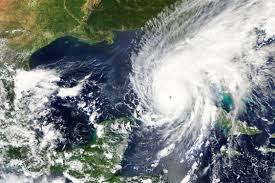
Florida’s location between the Gulf of Mexico and the Atlantic Ocean makes it one of the most hurricane-prone regions in the United States. Each year, homeowners face the risk of powerful storms that can cause severe damage to homes, properties, and communities.
Understanding when hurricanes are most likely to occur throughout the year is key to staying prepared. While hurricane season officially runs from June 1 to November 30, the level of risk varies significantly from month to month. Knowing these patterns allows homeowners to plan—and more importantly, take action before peak storm activity begins.
Overview of Hurricane Season in Florida
Hurricane season in Florida spans six months, but storm activity does not remain constant throughout. It typically starts slowly in early summer, builds momentum in late summer, peaks in early fall, and gradually declines toward the end of November.
The most active period usually occurs between August and October, when ocean temperatures are at their warmest and atmospheric conditions are most favorable for storm development. According to the National Hurricane Center (NHC), this timeframe consistently produces the most hurricanes in the Atlantic basin.
Monthly Hurricane Risk Breakdown
1. June
- Likelihood: Low to Moderate
June marks the beginning of hurricane season. Storms that form during this time often originate in the Gulf of Mexico or the Caribbean. While hurricanes are less common, tropical storms can still bring heavy rain and strong winds.
2. July
- Likelihood: Moderate
In July, activity begins to increase as water temperatures rise. Storm formation becomes more frequent, particularly in the Gulf and Caribbean regions, gradually raising the threat level for Florida.
3. August
- Likelihood: High
Hurricane activity significantly increases in August. The Atlantic Ocean becomes more active, and storms are more likely to intensify—especially toward the end of the month.
4. September
- Likelihood: Very High (Peak Season)
5. October
- Likelihood: High
Although activity begins to decline slightly after September, October still presents a serious threat. Storms frequently develop in the western Caribbean and Gulf of Mexico, putting Florida at continued risk.
6. November
- Likelihood: Low to Moderate
By November, hurricane activity decreases significantly. However, late-season storms can still occur and should not be overlooked, especially in southern regions.
Which Months Are Most Prone to Hurricanes?
- June: Low to Moderate
- July: Moderate
- August: High
- September: Very High (Peak)
- October: High
- November: Low to Moderate
The Importance of Early Preparation
Waiting until a storm is already approaching can put your home and family at unnecessary risk. Demand for materials and installation services often spikes during peak season, leading to delays and higher costs.
According to the Federal Emergency Management Agency (FEMA), taking proactive steps—such as reinforcing your home and installing protective systems—can significantly reduce storm-related damage. Preparing early ensures your home is ready to withstand high winds, flying debris, and heavy rain.